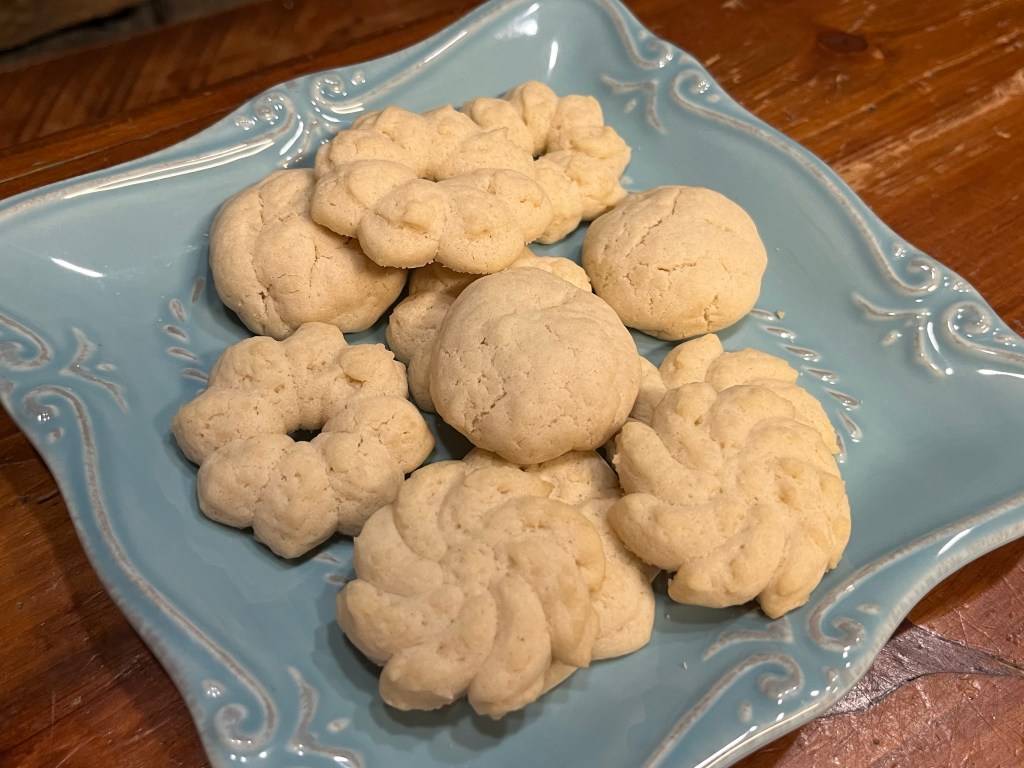
Cooking Without Photos – Spritz Cookies

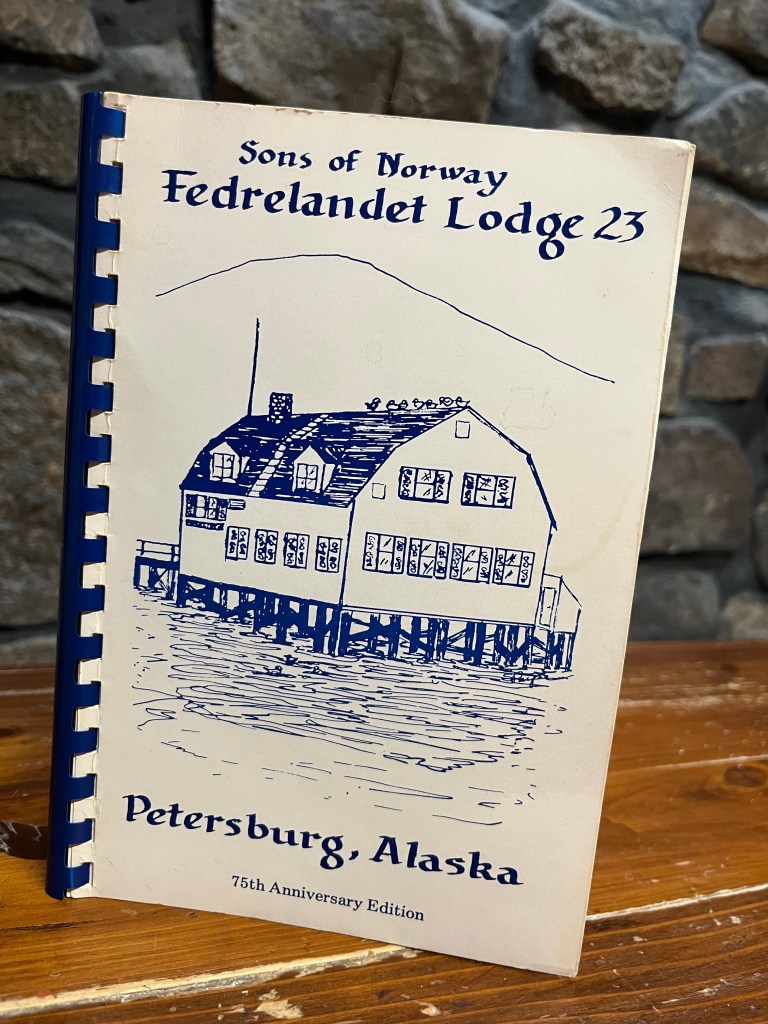
Burrrrr! This week we are traveling to Petersburg, Alaska aka Little Norway. It’s always amazing to me when I find community cookbooks in Arkansas that are from other states. I just stare at them and ask, “Well, how did you get here? I bet you have an awesome story to tell.”

I digress…Alaska. Located just off the coast of British Columbia, Canada, Petersburg, Alaska was first home to the Tlingit indigenous peoples for over 2000 years. A Norwegian pioneer named Peter Buschmann arrived in 1897. He immediately recognized the potential in fishing opportunities and worked right along side the Tlingit peoples to cultivate a lasting relationship even felt today.

Utilizing natural refrigeration with the LeConte Glacier, fishing boats could stay out longer and it was quickly decided that a cannery was needed. A sawmill and a dock soon followed and the birth of a thriving fishing community was born.

Around 1911 it was decided that lodge for Sons Of Norway needed to be built. Using volunteer labor, one of the largest structures in Petersburg was built and still stands today.

The Sons Of Norway hall was the social center for years. Along with lodge meetings, there were dances, conventions, card parties, and basketball games. In the spring, a farewell party was held for the fisherman before the start of fishing season.

Today, the Lodge stands as a monument to those immigrants who settled in Petersburg and began a new life.

This week’s recipe comes from the cookbook “Sons Of Norway Fedrelandet Lodge 23 Petersburg, Alaska”. Written in 1985, it celebrates the 75th anniversary of the lodge.

When I started deciding on a recipe, I found out quickly that I need to expand my pantry and add some cardamom. Lots of recipes in this book call for cardamom. I don’t believe I’ve ever had that before.

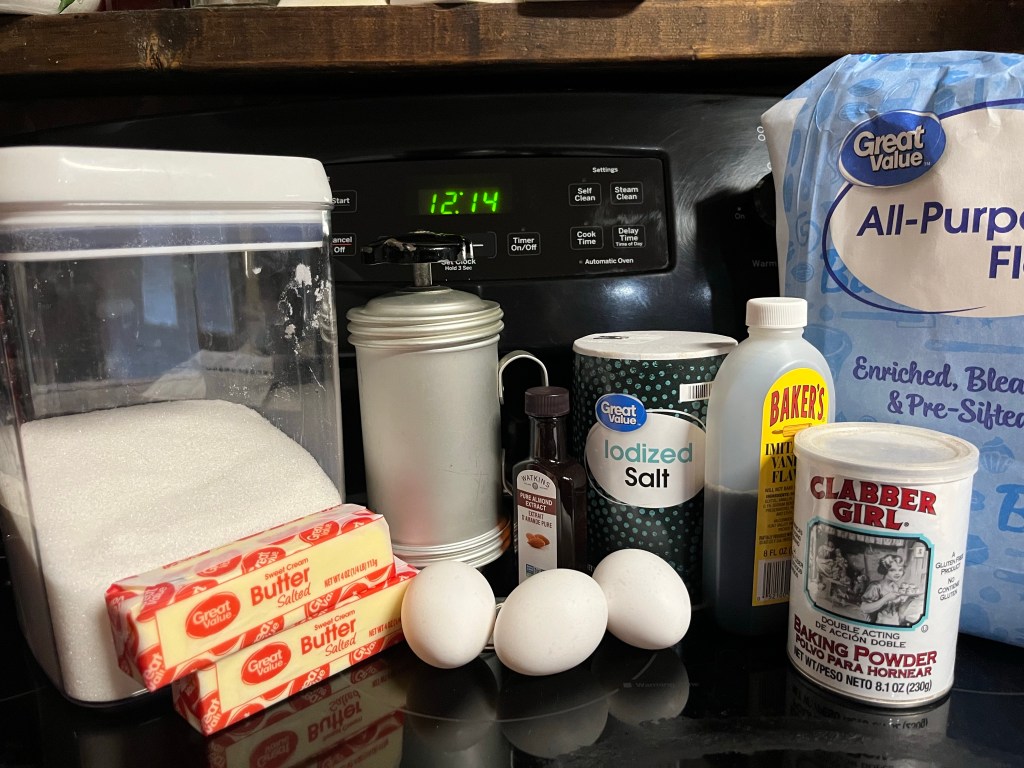
I figured I couldn’t go wrong with a sweet treat. I stopped at spritz cookies. I saw that it called for a “cooky” press. I had one of those! Have you ever gotten mad at cookie dough? Today was that day for me.

Couple of things:

  1. Cooky presses are the devil. There was probably a reason I never saw my mom use one. I love all things kitchen, but I may start drawing the line at cooky press.
  2. Maybe I need to try a different recipe for the cooky press.
  3. Maybe I need to try an up to date version of a cooky press.
  4. Anyway!
  5. Not a hard recipe to put together. My cookies just would not press. I got so sick of it, I rolled the last of the dough into balls and said that’s ENOUGH!
  6. I didn’t sift my flour. If you sift your flour, they are supposed to be smoother.
  7. Will I make them again, probably not. Am I getting rid of my cooky press…also probably not😆

I hope you like them. They have great flavor and could hold up to use for a dip. Pour a glass of milk, have a snack and try not to think about throwing your cooky press in the trash.

Cooking Without Photos – Peanut Butter Bread

Wahoo! It’s a new year and I’ve got goals!

After a break from sharing recipes, I’m back with my regularly scheduled program. I’ve been collecting community cookbooks from all over the place with one goal in mind. This year, I’ll be sharing recipes from all 50 states!

I’ll be starting off at the top of the list with Alabama! Alabama is one of our very fave places to visit❤️

When I found this first cookbook, “Trinity’s Potpourri 1979”, I knew I had to have it for a couple of reasons.

1. It already had my name on it.

2. It was written in the best year ever!

3. “Potpourri” will for sure describe this year’s recipe sharing. A little bit of everything from coast to coast.

So let’s begin again!

The cookbook I chose this time is from the Trinity Presbyterian Church in Huntsville, Alabama.

In 1811, Huntsville became the first incorporated town in Alabama. When Alabama became a state in 1819, Huntsville was the capital for one year until it was decided that the capital needed to be in a more centralized location.

In the beginning, cotton was very successful and was traded locally and internationally. In 1855 the railroad was established. The railroad helped keep the cotton industry growing. During the 1930s, the cotton industry started failing and focus was switched to growing watercress.

In 1940, the Army selected 35,000 acres and began building the Huntsville Arsenal. With the building of the Arsenal, Huntsville’s population began to rise and contractors could not keep up with the housing demand.

From the 1960’s up until today, NASA plays a huge roll in keeping the city populated. I’m fact, Huntsville is the most populated city in Alabama.

On to the recipe!

While flipping through “Trinity’s Potpourri”, I came across a recipe for Peanut Butter Bread. I’ve actually made this before (not this recipe) and knew I had to do it again.

Couple things:

1. This recipe said it made a regular pan and a small pan. It still took forever for the bigger one to cook. When I make this again, I’ll make two mini pans and the larger pan. I think that would be perfect!

2. It doesn’t say how long to cook the smaller pan. I’d check it at 35 minutes.

3. It also didn’t say anything about greasing the pan. I did.

Very tasty! Grab yourself a glass of milk and have a treat!

Cooking Without Photos – Hawaiian Drop Cookies

After a short break, I’m back with more recipes and stories to share!

This recipe comes straight from Ola, AR. Back in the day, Ola was first called Red Lick and then Petit Jean. They changed their name to Ola in 1880.

Settlers began arriving around 1840 from all over. Land was cheap and attracted folks from as far away as the Carolinas, Alabama and Tennessee.

The railroad arrived in 1899 and with it came more opportunities for growth. More businesses opened and folks were thriving.

Disaster struck in 1930 when a tornado ripped thru town and again in 1934 when a fire destroyed several businesses.

Over the years and like many small towns, Ola has experience economic turmoil. Today, Ola has a population of about 1,000. A few businesses remain, but mostly Ola is a small town with a big heart.

While flipping thru, “Seasoned With Love: Ola Band Boosters” I was reminded that Ola School District no longer exists. In 2004, Ola School district merged with several other small districts and Two Rivers School District was born. Living history, as they say.

On to the recipe!

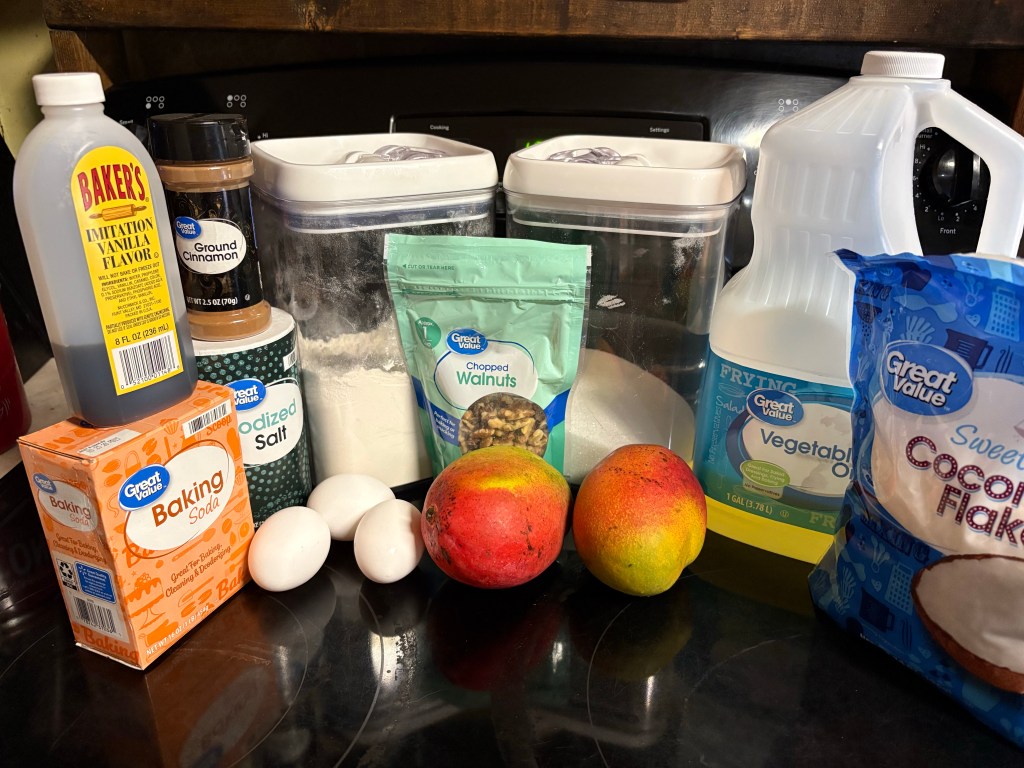
I picked out Hawaiian Drop Cookies to make. Sounded pretty easy for this rainy afternoon.

Couple Things:

  1. I used a cookie dough scoop. The scoop made it way easier.
  2. I cooked these for 12 minutes and let them sit for a couple of minutes after they came out of the oven.

That’s really it. These are a not so sweet, fluffy cookie but very tasty and perfect with a glass of milk. Yessssss!

Cooking Without Photos – Mexicali Rice

Our next stop is in Perryville, Arkansas. Home of the Mustangs. Where folks bleed maroon and gray. And if you’re around in October, the whole town explodes with goats dressed as people and people dressed as goats for the Arkansas Goat Festival. It’s really a site to see.

Perryville began to see a larger population of settlers around 1830, but the first settlers arrived in 1808. In December of 1840, Perry County was named the 44th county of Arkansas and was named in honor of Commodore Oliver H. Perry of the US Navy.

One of the most interesting facts about Perryville, is that the courthouse has burned FIVE TIMES. For this reason, records only go back to 1881. The last time the courthouse was built, it was made from locally fired bricks. The courthouse still stands today and is on the National Register of Historic Places.

It wasn’t until 1901 that the first bridge was built to cross the Fourche River. In 1939 the bridge was replaced and over 3,000 people came to the dedication.

Today, Perryville still doesn’t have a stop light and folks like it that way. The sidewalks roll up at dark unless there’s a ballgame happening. Everybody still knows everybody and if you’re from out of town, get ready to be asked who you’re kin to❤️

I’m ending the year with a brand new cookbook. ”Favorite Recipes From Perryville, Arkansas: Compiled By The Perryville Rotary Club” is hot off the presses and packed full of awesome recipes.

Mexicali Rice is something my own Mama used to make when I was growing up. I thought I’d share it in the cookbook so others could love it as much as I do.

Couple of things:

  1. My mom didn’t add beans to hers. She used 2lbs of hamburger instead.
  2. She also put a tiny can of tomato sauce in with the meat. I like it without it.
  3. Add salt. I forgot to put that in the recipe. Oops.

Hope y’all enjoy!

Cooking Without Photos – Lemonade Cake

Oppelo “The Turn Off”, Arkansas. Did y’all know Oppelo used to be part of Perry County as did Petit Jean Mountain…until county lines were redrawn and Conway County overtook it ALL!!!!

I digress. Oppelo. Oppelo was settled around 1850 when L.B Opolow arrived with his family from Maryland. Upon their arrival, L.B. started up a sawmill and other timber related operations to the area.

The settlement developed around a spring that was named Oppelo Spring. It was a place where folks came for fresh water, the women socialized and individual family clothes lines were kept. Today, Oppelo Spring is on private land and is the source of water for a stock pond.

In 1867 the first post office opened in Oppelo and operated until 1913. At one time, Oppelo had schools, a drug store, general store and more.

Today, Oppelo is a quiet community. They have a beautiful park and walking trail. Maybe stop in next time you’re on your way to Petit Jean…that used to be in Perry County….we aren’t bitter about that.

While flipping thru, “Variety Pack: Favorite Recipes From Oppelo Kitchens” I stumbled across Lemonade Cake. Yum! Let’s get into it!

Couple Things:

  1. I figured out “coil” was oil pretty quick.
  2. Back in the day, they used to make a 6oz can of frozen lemonade. You’re going to have to use half of a 12oz can, kids.

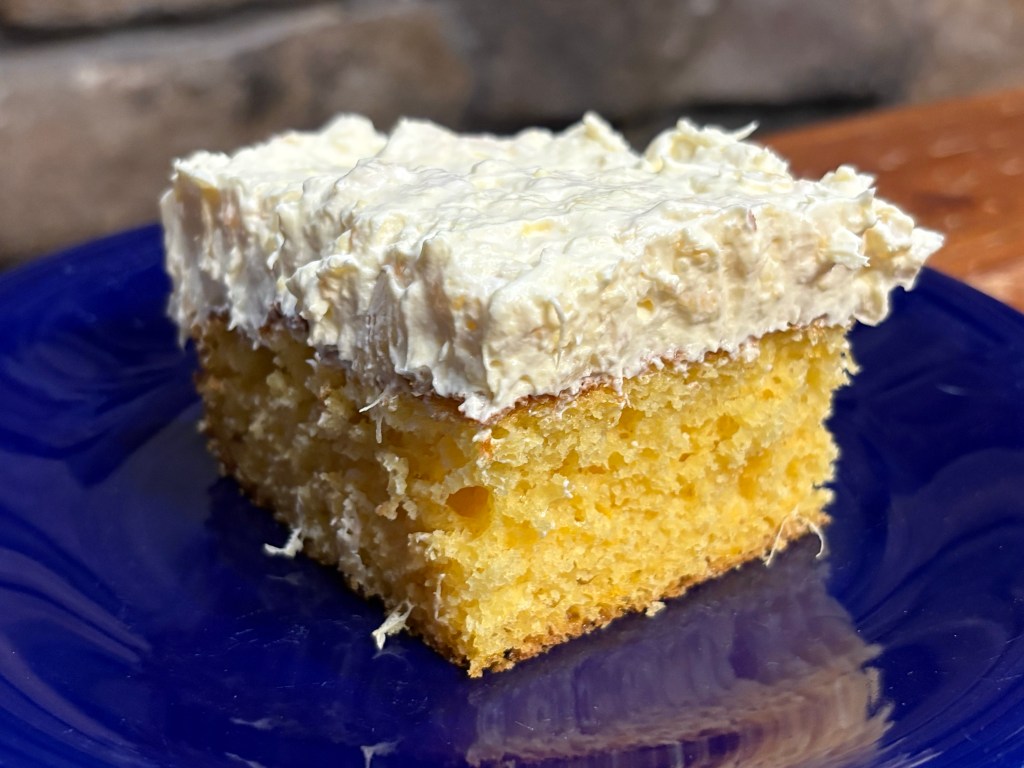
That’s it. It turns out looking really plain, but it is packed with flavor. You won’t regret it.

Cooking Without Photos – Hot Apple Cider

The Santa Fe Railroad arrived in the area and began asking for right of way permissions. Mr. Maloney told them to move on down the road and ask someone else for permission. His wife then mentioned how nice it would be to be able to ride the train into Fort Worth.

Mr. Maloney had a change of heart. He road his horse to meet with the workers. He told them the could go through. One of the workers asked what he said and was told, “He has let us go through.” It was decided right then that the stop would be named “Haslet”. Boom! The town was named and the railroad gave credit to Charles Maloney. The year was 1886.

On to the recipe!

I didn’t get far in the cookbook, “Heavenly Delights: Haslet United Methodist Women” before I found a recipe I wanted to try out. Hot Apple Cider! Yessss! Not much to say other than y’all need to try this. It’s super easy!

Couple Things:

  1. I doubled the recipe and used a big coffee urn. This was great for a crowd.
  2. I’ve had a sore throat and this helped so much!

That’s it! It’s fab!
Cooking Without Photos – Chunky Ham And Vegetable Soup

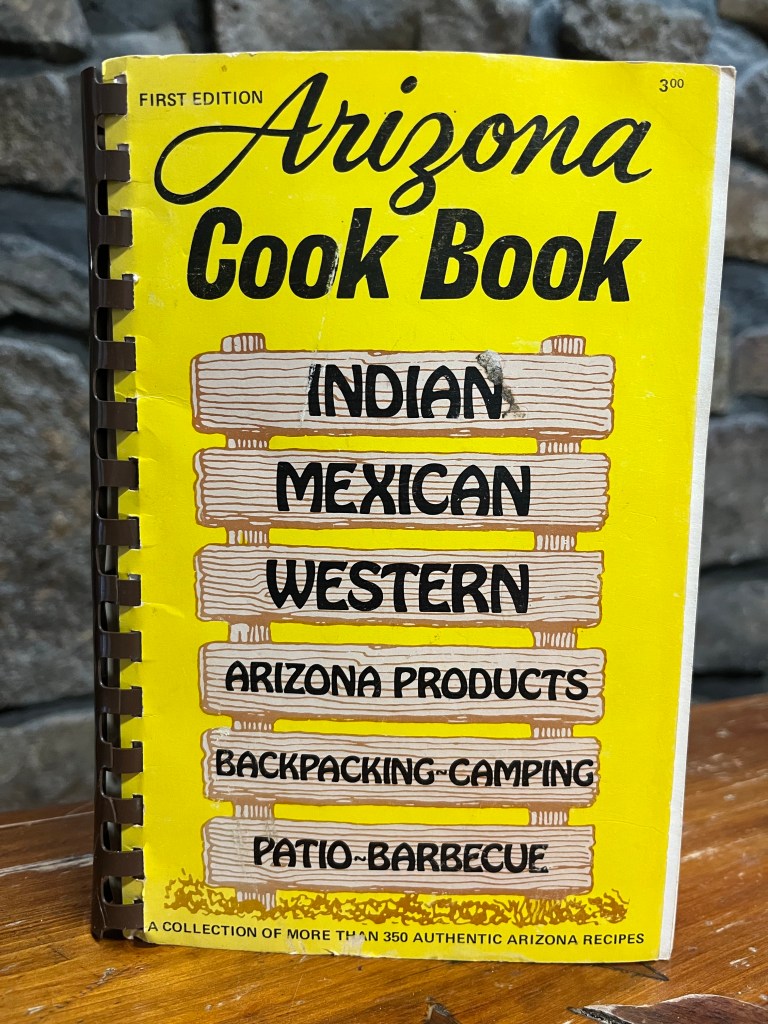
This week I have a borrowed cookbook from my pal. “Sharing Recipes: A Book Of Favorite Recipes Compiled By Nimrod Volunteer Fire Department Women’s Auxiliary”, belonged to her Grandma and now she uses it to make treasured recipes for her own family. I just love that❤️

The Nimrod community began around 1808. Fertile soil and the close proximity of the river helped to attract folks to the area. There are a couple of stories circulating regarding how Nimrod got its name. One of those stories states that Nimrod was a biblical name, chosen from the book of Genesis. Another claim is that Nimrod came from some settlers that were from Nimrod Hill, Tennessee. At any rate, Nimrod was named.

The Civil War ravaged the area and lots of things had to be rebuilt. There were no battles fought in the area, just guerrilla bands that caused trouble and destruction.

Once rebuilding was complete, the lumber industry thrived. Logs were floated down the Fourche river and the Fort Smith Lumber Company became one of the biggest employers in the county.

Production was helped immensely when the Wallace Bridge was completed in 1908. Today the bridge is on the National Historic Register and is one of only 3 surviving camelback truss bridges in our state. If y’all get a chance, make the drive. It’s just really neat and even more so that it’s right in our backyard.

With the decline of the timber industry, the community of Nimrod began to decrease also in population. Today, Nimrod is a small community with a heck of a story to tell. Jesse James is even reported to have made a stop there overnight.

On to the recipe!!

Soup! Yessssss! My fave recipes to try out. This time I was flipping thru and stopped at Chunky Ham And Vegetable Soup. I knew we had to try it out.

Couple things:

  1. Four cups of chicken broth was not enough liquid. I added a cup and a half of water. Just use your judgement.
  2. After it was done, I added salt. I also added some pepper. Don’t stub your toe on the pepper though. Sometimes cabbage is more spicy depending on the season.
  3. I thought…brown sugar…dumb! Y’all, just do it! Gah! How did I not know about this trick?!

Very tasty and such a good “warm me up” soup. Very brothy.

Cooking Without Photos – Pork Chops With Potatoes

Adona, Arkansas home of Adona Fest. Do they still have Adona Fest? I have a feeling they don’t. Maybe I’m wrong. I’ll do more research and fill y’all in.

Back in the day, Adona was settled by John Howell after buying Franklin Russell’s land claim. Settlers quickly began constructing homes along Cypress Creek and the area became known as Cypress Valley.

In 1893 the post office was established and Cypress Valley was renamed Adona after Adona Howell. Adona was a descendant of John Howell. Just a few years later in 1900, the railroad came to town and was completed in 1901.

By 1906, Adona had a population of 500, a school was established and the Methodist church was built. The telephone made an appearance in 1912. Around the same time, a sawmill, gristmill, cotton gin and several other businesses began operation.

If you drive thru Adona today, you’ll still see the Methodist church still in use and it hasn’t lost its small community charm.

On to the recipe!!!

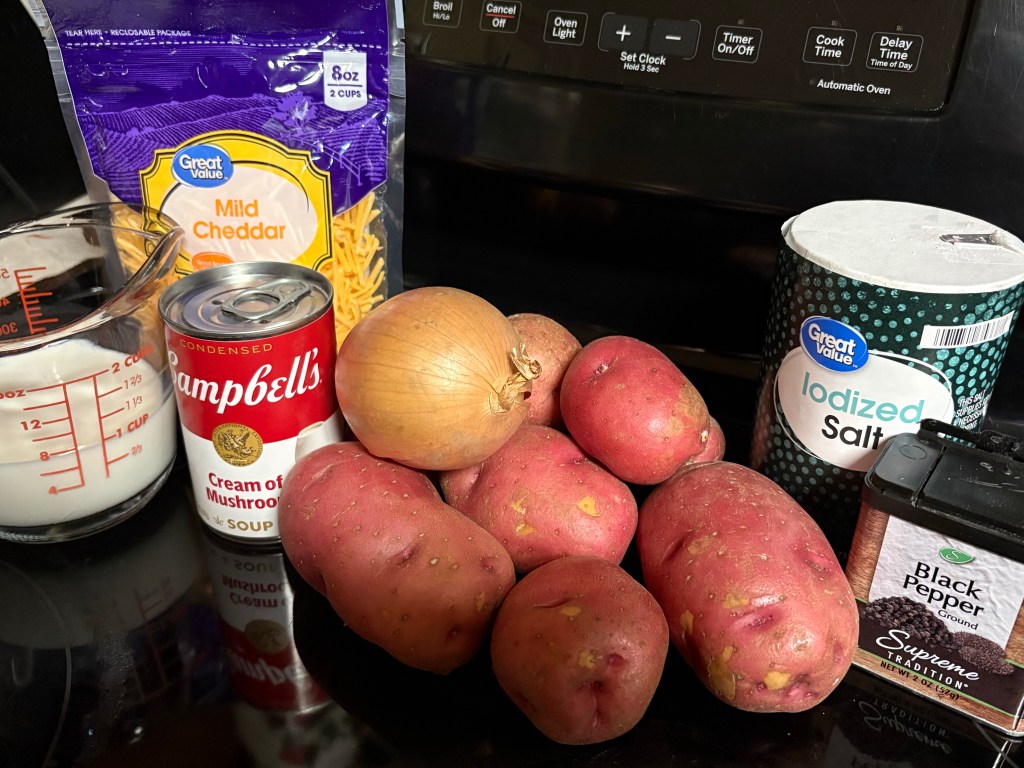
This week I picked, “Adona Fest Cookbook 1998”. I knew I had to try Ms. Dorsie Hubbard’s recipe for Pork Chops With Potatoes. Let’s get to it!

Couple things:

  1. Besides salt and pepper, I also added garlic powder and onion powder. It for sure needs more seasoning. Sorry, Ms. Dorsie😬
  2. Instead of water, I added some milk.
  3. I also poured my mushroom soup mixture over the top of the potatoes and then put the pork chops on. Oops, I didn’t follow directions😬
  4. I also put salt and cracked pepper on top of the pork chops.
  5. You can also cook this on 410° for about an hour and 10 minutes. It’s much more tender if you cover it and cook it slow though.

Very tasty and easy! Y’all enjoy!

Cooking Without Photos – Ranch Oyster Crackers

Possum Kingdom Lake in Texas. Ever heard of it? Nope? Me either🤷🏻‍♀️

Possum Kingdom Lake began with building a dam that cost $8.3 million dollars in 1941. Possum Kingdom Lake was created to help with flood control, irrigation, power generation and recreational purposes.

Possum Kingdom State Park was established in 1950. Fishing is hugely popular on the lake. It’s also a popular destination for cliff diving, skiing, scuba diving and tubing. Tons of things to do around the lake. I want do go, just so I can say that I’ve been😆

On to the recipe! When I first opened, “Culinary Treasures From Possum Kingdom Lake” I was half expecting recipes that had possums as the main ingredient. The disappointments…I had them. Then I saw a recipe for Ranch Oyster Crackers. Yes please!!!

Couple of things:

  1. I didn’t use the optional lemon pepper. We all survived.
  2. I’ve seen similar recipes that called for cayenne pepper. Maybe you want to add that as another option.

That’s it. Straight and to the point. Very tasty!!

Cooking Without Photos – Dump Soup

This week we make a stop in Batesville, AR, the oldest city in Arkansas. Batesville was named after James Woodson Bates who was the first Territorial Delegate to Congress.

Settlers first began arriving in 1810. In 1822, Batesville’s first Post Office was established. Serving as a port on the White River, Batesville played a huge part to help populate the Ozark Mountain Region and their town also began to grow and prosper. Traders of all kinds would swap their goods in town and with the river right there, it was a perfect spot for everyone to meet.

As the years passed, Batesville’s roots grew even deeper and their history lives on today. If you ever get the chance to visit, make sure you drive around a bit. Such beautiful structures and homes that have survived the test of time.

While flipping thru, “The Staff Of Life Fourth Edition: A Collection Of Recipes From St. Paul’s Episcopal Church” I came across a recipe that I have seen numerous times before. This one was called “Dump Soup”, but I’ve seen it called, ”7 Can Soup” and also “Quick Soup”. Each time I saw it I’d think…that sounds terrible. Variations include adding cans of Veg-All or additional cans of beans, but always having the minestrone soup as a base. At any rate, let’s make soup out of soup😆

Couple things:

  1. Please add salt and pepper. It needs it bad!
  2. It didn’t say what size can of tomatoes. I used a 28 Oz can. We just like tomatoes. It worked fine.
  3. This is even better the next day.

That’s it. Was this the best soup I’ve ever had? No. Was it a quick meal that everyone liked? Yes. Perfect for a weeknight dinner that isn’t a whole lot of hassle. Enjoy!!!